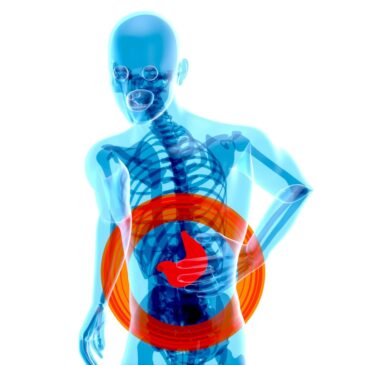
The Importance of Gut Health
Gut health is crucial for overall well-being as it influences digestion, immunity, and even mental health. Maintaining a balanced gut microbiome can improve various bodily functions, enhance nutrient absorption, and prevent diseases.
Table of Contents
- What is Gut Health?
- Benefits of Gut Health
- How to Improve Gut Health
- Common Mistakes
- Tips and Best Practices
- FAQs
What is Gut Health?
Gut health refers to the balance of microorganisms residing in the digestive tract. A healthy gut microbiome aids in digestion, synthesizes vitamins, and enhances the immune system.
Benefits of Gut Health
Improving gut health offers several advantages:
- Enhances digestion and reduces bloating.
- Boosts the immune system.
- Improves mental health by influencing microbiome-brain communication.
- Regulates weight and metabolism.
- Lowers the risk of chronic diseases.
How to Improve Gut Health
Follow these steps to enhance your gut health:
- Eat a Diverse Range of Foods: Aim for a variety that incorporates fibers, fruits, and vegetables.
- Incorporate Probiotics: Include yogurt, kefir, and fermented foods like sauerkraut.
- Limit Processed Foods: Reduce sugar and artificial ingredients in your diet.
- Stay Hydrated: Drink plenty of water daily to aid digestion.
- Manage Stress: Practice mindfulness, yoga, or meditation to maintain gut health.
- Regular Exercise: Engage in physical activity to support gut flora balance.
Common Mistakes
Avoid these common pitfalls in maintaining gut health:
- Neglecting dietary fiber intake.
- Overconsumption of antibiotics without doctor guidance.
- Ignoring food intolerances or allergies.
- Relying heavily on supplements over whole foods.
Tips and Best Practices
Implement these best practices for optimal gut health:
- Start your day with water: It supports digestion after sleeping.
- Cook at home: Control ingredients to avoid additives.
- Mindful eating: Chew thoroughly and enjoy your meals to enhance digestion.
- Regularly include prebiotics: Foods like bananas, onions, and garlic feed beneficial gut bacteria.
FAQs
Why is gut health important?
Gut health is vital as it impacts digestion, immune response, and can influence chronic conditions. A balanced microbiome supports overall health.
How can I tell if my gut is unhealthy?
Signs of an unhealthy gut include digestive issues like bloating, food intolerances, fatigue, or frequent infections. Consult a healthcare provider for diagnosis.
Can diet really affect my gut health?
Yes, diet significantly influences gut health. High fiber, low sugar foods improve gut microflora, while processed and high-sugar foods can disrupt balance.
What are probiotics and how do they help?
Probiotics are beneficial bacteria found in fermented foods that help restore gut balance, improve digestion, and enhance nutrient absorption.
How often should I consume probiotics?
Regular consumption of probiotics, such as daily servings of yogurt or supplements, can maintain gut flora balance and promote digestive health.
This guide is published by FitPulse, a fitness and wellness platform. For more health insights, visit our fitness section or learn more about us.