Introduction to Yoga: A Beginner’s Guide
Yoga is a mind-body practice that combines physical postures, breathing techniques, and meditation. This guide outlines its fundamentals, benefits, and practical steps for beginners.
Table of Contents
- What is Yoga?
- Benefits of Yoga
- How to Start Practicing Yoga
- Common Mistakes in Yoga
- Tips and Best Practices
- FAQs
What is Yoga?
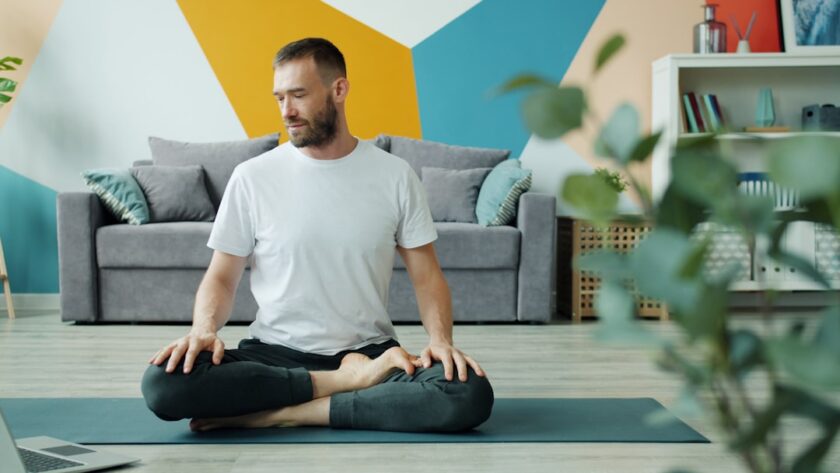
Yoga is an ancient practice originating from India that integrates physical, mental, and spiritual components. It involves a series of postures (asanas), breathing exercises (pranayama), and meditation aimed at enhancing overall well-being.
Key Components of Yoga
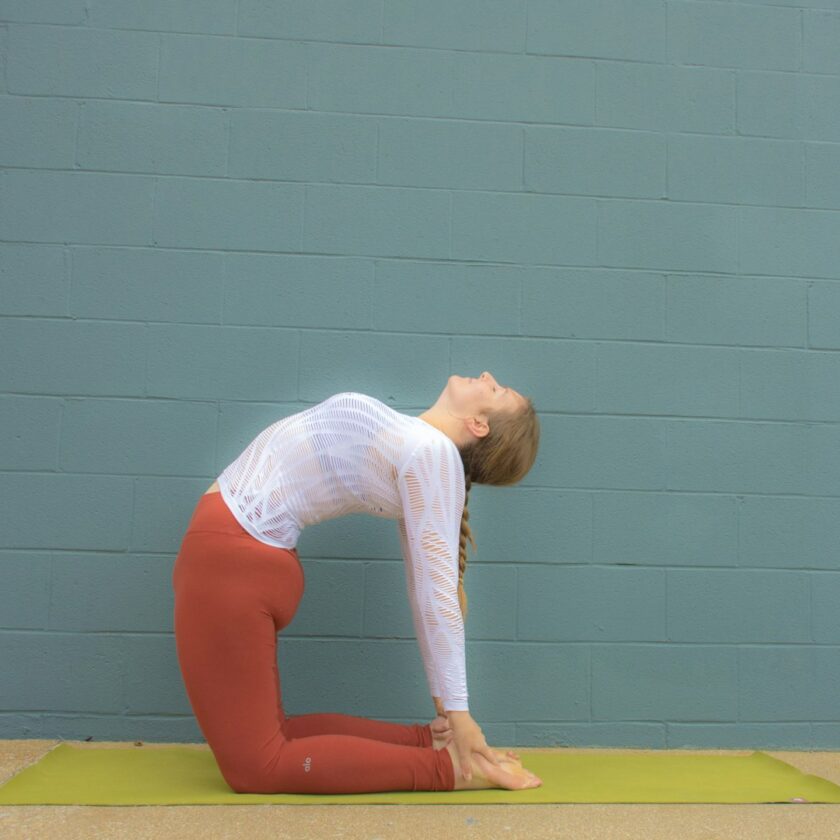
- Asanas: Physical postures that promote flexibility, strength, and balance.
- Pranayama: Breathing techniques that improve respiratory health and reduce stress.
- Dhyana: Meditation for mindfulness and mental clarity.
Benefits of Yoga
The practice of yoga offers numerous physical, mental, and emotional benefits:
- Improves Flexibility: Regular practice enhances the range of motion in joints.
- Builds Strength: Many poses require the engagement of various muscle groups.
- Reduces Stress: Breathing and meditation techniques lower cortisol levels.
- Enhances Focus: Mindfulness practices improve concentration.
- Promotes Emotional Health: Yoga can alleviate anxiety and depression.
How to Start Practicing Yoga
Follow these steps to effectively begin your yoga journey:
- Choose a Style: Explore different yoga styles like Hatha, Vinyasa, or Yin to find what suits you best.
- Find a Class: Join beginner classes either in-person or online for guided learning.
- Get the Right Gear: Invest in a quality yoga mat and comfortable clothing.
- Create a Routine: Dedicate specific times weekly for practice.
- Listen to Your Body: Modify poses and rest as needed to avoid injury.
Common Mistakes in Yoga
Avoid these common pitfalls to enhance your practice:
- Overexertion: Pushing through pain can lead to injury.
- Skipping Warm-Ups: Start with gentle stretches to prepare your body.
- Neglecting Breathing: Breathing is crucial; focus on maintaining a steady breath.
- Comparing Yourself to Others: Every individual’s practice is unique; focus on your progress.
Tips and Best Practices
Implement these strategies to enhance your yoga experience:
- Practice Daily: Even short sessions can be beneficial.
- Stay Hydrated: Drink water before and after practice.
- Use Props: Blocks and straps can help in achieving poses correctly.
- Be Patient: Progress takes time; embrace the journey.
This guide is published by FitPulse, a fitness and wellness platform.
FAQs
What are the best types of yoga for beginners?
Beginners often benefit from Hatha yoga for its slow pace or Vinyasa yoga for its dynamic movement. Consider trying different styles to see which feels best.
How often should I practice yoga?
Aim for at least 2-3 times weekly to experience significant benefits. Incorporating short daily sessions can also enhance flexibility and mindfulness.
Can yoga help with weight loss?
Yoga can support weight loss by promoting physical activity, reducing stress, and encouraging mindful eating habits, though it’s most effective when combined with a balanced diet.
Do I need special gear to start yoga?
A yoga mat is essential for practice, while comfortable clothing that allows movement is also recommended. Additional props can be helpful but are not mandatory.
Is yoga safe for everyone?
Yoga is generally safe for most individuals. However, those with health issues should consult healthcare providers before starting any new exercise routine.