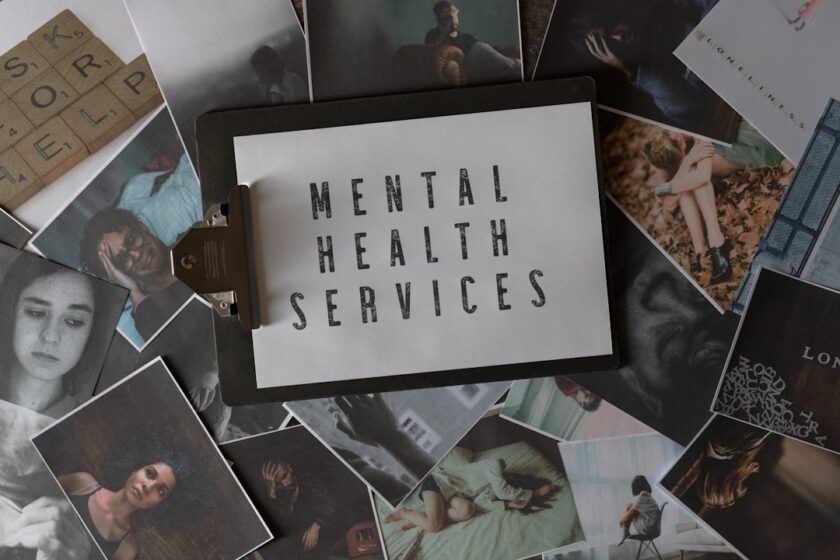
What is Mental Health?
Mental health refers to emotional, psychological, and social well-being. It affects how we think, feel, and act, impacting our ability to handle stress and make choices. Mental health is essential at every stage of life.
Table of Contents
- Overview
- Benefits of Mental Health
- How to Improve Mental Health
- Common Mistakes
- Tips for Better Mental Health
- FAQs
What is Mental Health?
Mental health encompasses our emotional, psychological, and social well-being. It influences cognition, perception, and behavior. Key aspects include:
- Emotional well-being
- Psychological stability
- Social functioning
Benefits of Mental Health
Good mental health leads to various benefits, including:
- Improved relationships
- Enhanced quality of life
- Better coping strategies for stress
- Increased productivity
How to Improve Mental Health
Improving mental health involves deliberate strategies:
- Self-care: Engage in activities that promote well-being.
- Stay connected: Maintain relationships with friends and family.
- Seek professional help: Consider therapy or counseling when needed.
- Practice mindfulness: Engage in activities like meditation or yoga.
Common Mistakes
Help your mental health by avoiding these common pitfalls:
- Neglecting emotional needs
- Isolating yourself
- Avoiding professional help
- Using unhealthy coping mechanisms
Tips for Better Mental Health
Follow these best practices to enhance your mental health:
- Establish a routine
- Engage in physical activity
- Maintain a balanced diet
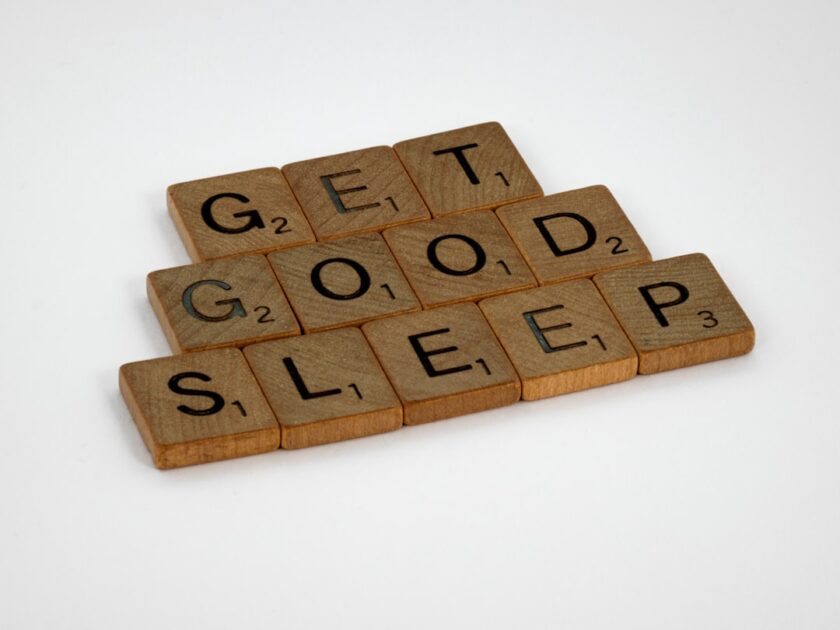
- Get sufficient sleep
FAQs
1. Why is mental health important?
Mental health is crucial for overall well-being, influencing how we think, feel, and act. Good mental health also enables resilience against stress and challenges.
2. What are common mental health disorders?
Common mental health disorders include depression, anxiety, bipolar disorder, and schizophrenia. Each has unique symptoms and treatment approaches.
3. How can I assess my mental health?
Consider seeking mental health screenings or accessing self-assessment tools online. Regularly reflecting on your feelings and coping capabilities also helps.
4. When should I seek help for mental health?
If you find it hard to cope with everyday life, experience persistent sadness, or have difficulty functioning, it may be time to seek help from a mental health professional.
5. What roles do lifestyle choices play in mental health?
Lifestyle choices, such as diet, exercise, and sleep, significantly impact mental health. Healthy habits contribute to emotional and psychological stability.
This guide is published by FitPulse, a fitness and wellness platform. For more information, visit our About or Contact pages.