Effective Stress Relief Techniques for a Balanced Life
Table of Contents
- Understanding Stress
- Mindfulness and Meditation
- Physical Activities
- Breathing Techniques
- Creating a Healthy Environment
- Professional Help
1. Understanding Stress
Stress is a natural response to various challenges in our lives. It can be beneficial in small doses, providing motivation and focus. However, long-term stress can lead to serious health issues, both physical and mental. Understanding the types and sources of stress is the first step towards effective management.
Types of Stress
- Acute Stress: Short-term anxiety that arises from immediate challenges.
- Chronic Stress: Ongoing stress that persists over time, often leading to health issues.
2. Mindfulness and Meditation
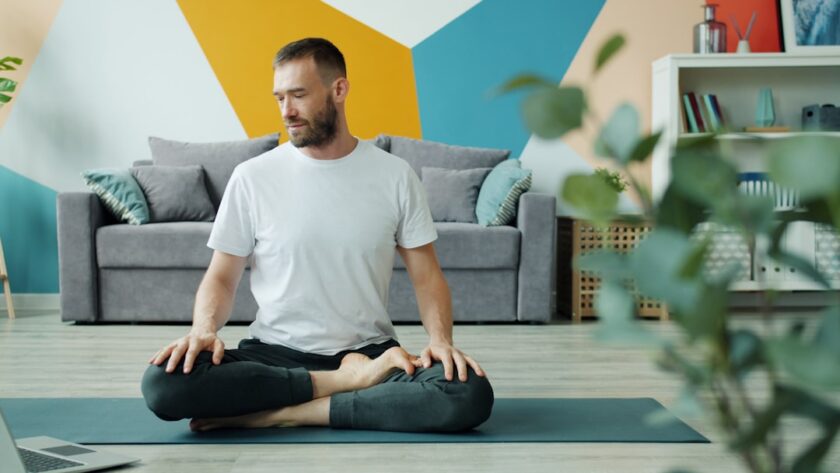
Mindfulness practices help you stay present and reduce stress levels. Meditation, in particular, is a powerful tool that can enhance emotional well-being.
Mindfulness Techniques
- Start with short daily sessions (5-10 minutes).
- Focus on your breath and let thoughts pass without judgement.
- Gradually increase the duration as you become more comfortable.
Popular Meditation Practices
- Guided Meditations: Follow along with recordings.
- Transcendental Meditation: Repeat a mantra to clear the mind.
- Mindfulness-Based Stress Reduction: A structured program to address stress through mindfulness practices.
3. Physical Activities
Physical activity not only boosts your mood but also acts as a fantastic stress reliever.
Effective Stress-Relieving Exercises
- Walking: A simple yet effective way to clear the mind.
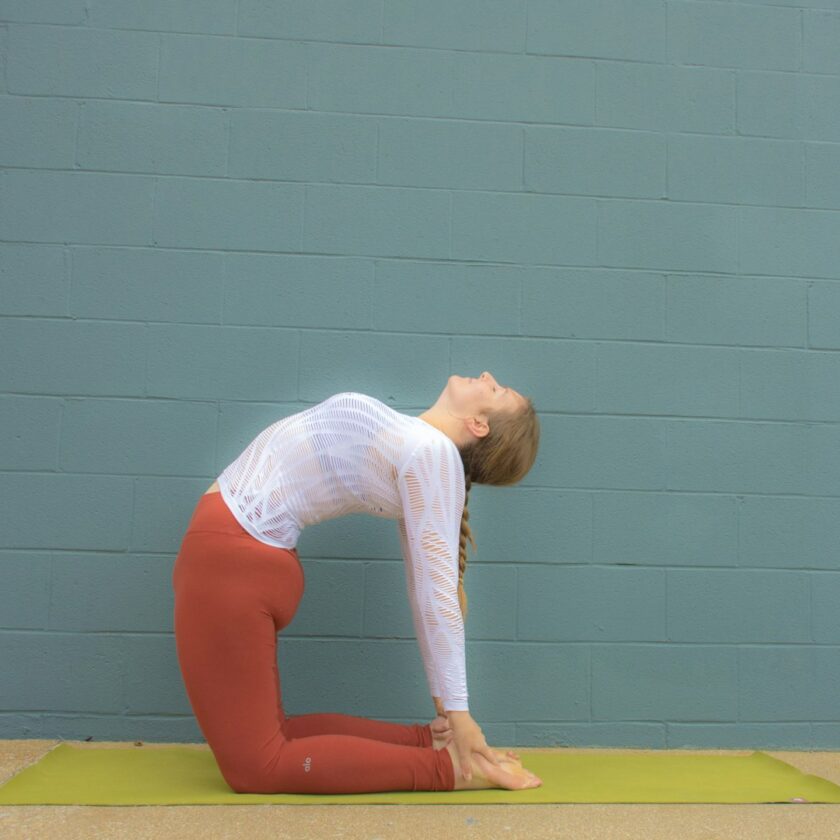
- Yoga: Combines movement with breath control for relaxation.
- Strength Training: Releases endorphins and improves self-esteem.
Including at least 30 minutes of exercise three times a week can significantly reduce stress levels.
4. Breathing Techniques
Breathing exercises are an accessible way to manage stress in the moment. Here are three effective techniques:
Simple Breathing Exercises
- Diaphragmatic Breathing: Inhale deeply through your nose, filling your belly, and exhale slowly.
- 4-7-8 Breathing: Inhale for 4 seconds, hold for 7, and exhale for 8.
- Box Breathing: Inhale for 4 seconds, hold for 4, exhale for 4, and hold for another 4.
5. Creating a Healthy Environment
Your surroundings can greatly influence your stress levels. Make small changes to create a calming atmosphere.
Tips for a Stress-Free Environment
- Declutter your space to promote tranquility.
- Incorporate plants or flowers to enhance mood.
- Use soothing colors and textures in your decor.
6. Professional Help
When stress becomes overwhelming, seeking professional help is a wise decision. Counselors or therapists can provide valuable support and coping strategies.
When to Seek Help
Consider professional help if you experience:
- Persistent feelings of anxiety or depression.
- Changes in appetite or sleep patterns.
- Difficulty concentrating on daily tasks.
For further information on managing stress and improving your well-being, visit our About page or reach out to us through our Contact form.
Implement these stress relief techniques into your daily routine for a more balanced and fulfilling life. Remember, managing stress is a continuous journey and finding what works best for you may take time.