Effective Stress Relief Techniques You Can Practice
In today’s fast-paced world, stress has become a common part of life. However, managing it effectively can lead to improved mental and physical health. In this guide, we’ll explore various stress relief techniques that you can incorporate into your daily routine. Whether you prefer physical activity, mindfulness practices, or simple lifestyle changes, there’s something here for everyone.
Table of Contents
- Mindfulness and Meditation Techniques
- Physical Activity and Exercise
- Breathing Exercises
- Lifestyle Changes for Stress Management
- When to Seek Professional Help
Mindfulness and Meditation Techniques
Mindfulness involves being present and fully engaged with the moment. Here are some effective practices:
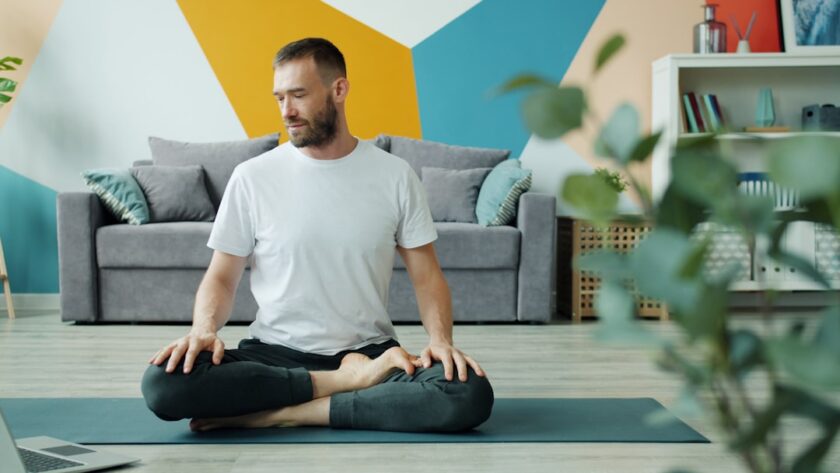
- Meditation: Sit in a quiet space, focus on your breath, and gently bring your thoughts back when they wander.
- Body Scan: Lie down comfortably and mentally scan your body from head to toe, noting sensations without judgment.
- Mindful Walking: Take a walk outdoors and focus on the sensation of your feet on the ground, the sounds around you, and your breathing.
These practices promote relaxation and can help reduce anxiety. Consider visiting our meditation category for more in-depth guides.
Physical Activity and Exercise
Engaging in physical activity is a highly effective way to relieve stress. Here are some options:
- Walking or Jogging: Aim for at least 30 minutes a day to boost your mood.
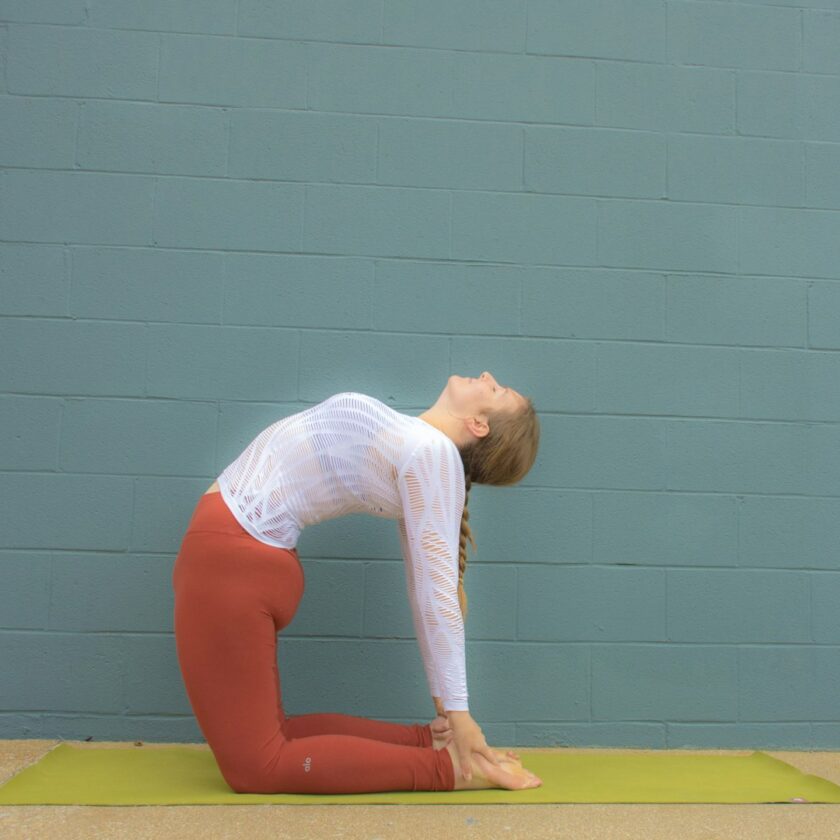
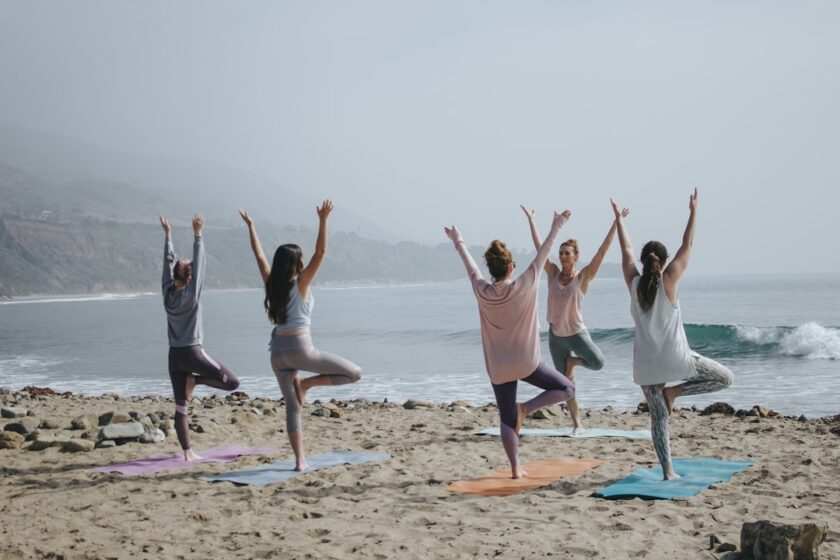
- Yoga: Combines physical postures, breathing techniques, and meditation, which together alleviate stress.
- Strength Training: Lifting weights can increase your confidence and improve your mental health.
Choosing an activity that you enjoy makes it easier to maintain consistency. Don’t forget to also check our about page for more insights on fitness routines!
Benefits of Regular Exercise:
| Benefit | Description |
|---|---|
| Improved Mood | Physical activity boosts endorphins, which can enhance your overall mood. |
| Better Sleep | Regular exercise can help regulate sleep patterns and promote deeper sleep. |
| Increased Energy | Exercise increases stamina and reduces fatigue. |
Breathing Exercises
Breathing exercises can provide immediate stress relief. Try these techniques:
- Diaphragmatic Breathing: Inhale deeply through your nose, allowing your diaphragm to expand, then exhale through your mouth.
- 4-7-8 Breathing: Inhale for 4 seconds, hold for 7 seconds, and exhale for 8 seconds.
- Box Breathing: Inhale for 4 seconds, hold for 4 seconds, exhale for 4 seconds, and hold again for 4 seconds.
These exercises are simple to do anywhere and can help calm your nervous system.
Lifestyle Changes for Stress Management
Sometimes, stress relief requires longer-term changes to your lifestyle. Consider the following:
- Reduce Caffeine and Sugar: High consumption can increase anxiety and stress.
- Prioritize Sleep: Aim for 7-9 hours of good quality sleep each night.
- Stay Connected: Maintain relationships with family and friends for emotional support.
When to Seek Professional Help
If your stress becomes overwhelming, it may be time to seek professional help. Look out for signs such as:
- Persistent feelings of anxiety or depression
- Difficulty in managing day-to-day activities
- Substance abuse or self-destructive behavior
A therapist can help design a personalized stress management plan. Remember, seeking help is a sign of strength.
In conclusion, various stress relief techniques can help you manage stress effectively. By incorporating mindfulness, physical activity, breathing exercises, and lifestyle changes, you can cultivate a more balanced and calmer life. For further information and resources, don’t hesitate to explore our website!