Effective Mental Health Exercises to Boost Your Well-Being
Mental health is just as important as physical health, yet it often gets overlooked. Exercise isn’t just about the body; mental health exercises can significantly improve your emotional well-being and resilience. Here, we’ll explore various mental health exercises that you can easily integrate into your daily routine.
Table of Contents
- Mindfulness Training
- Journaling
- Breathing Exercises
- Physical Activity
- Building Social Connections
- Progressive Muscle Relaxation
1. Mindfulness Training
Mindfulness involves being present in the moment and can help reduce stress and anxiety. Here are a few mindfulness exercises:
- Body Scan: Lie down comfortably and focus on each part of your body, from your toes to your head.
- Mindful Breathing: Spend a few minutes focusing solely on your breath, observing each inhale and exhale.
- Mindful Walking: Take a walk while paying attention to your surroundings, noticing sounds, colors, and textures.
2. Journaling
Writing your thoughts can help clarify feelings, reduce stress, and improve mood. Consider these journaling techniques:
- Gratitude Journaling: List three things you’re grateful for each day.
- Expressive Writing: Write about your feelings regarding challenging situations to process emotions.
- Reflective Journaling: Reflect on daily experiences and their impacts on your feelings.
3. Breathing Exercises
Breathing exercises are a straightforward way to reduce anxiety and promote relaxation. Try these techniques:
- 4-7-8 Breathing: Inhale for 4 seconds, hold for 7 seconds, and exhale for 8 seconds.
- Box Breathing: Inhale for 4 seconds, hold for 4 seconds, exhale for 4 seconds, and pause for 4 seconds.
- Diaphragmatic Breathing: Place one hand on your chest and the other on your belly. Breathe deeply so your belly rises, not your chest.
4. Physical Activity
Engaging in regular physical activity is vital for good mental health. Here are some ideas:
- Exercise: Aim for at least 30 minutes of moderate exercise most days of the week.
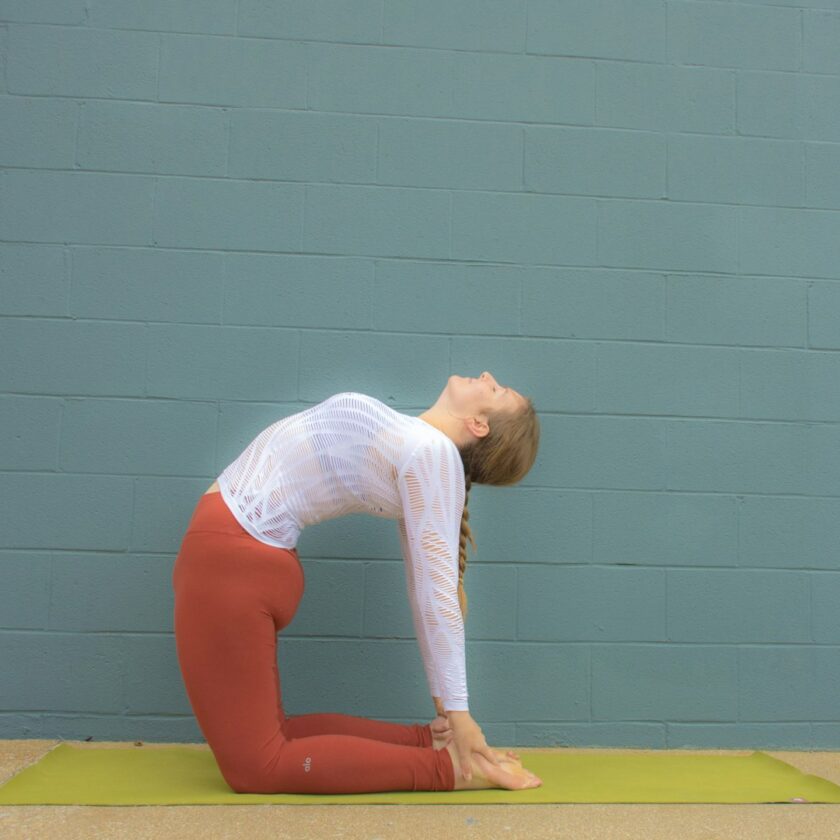
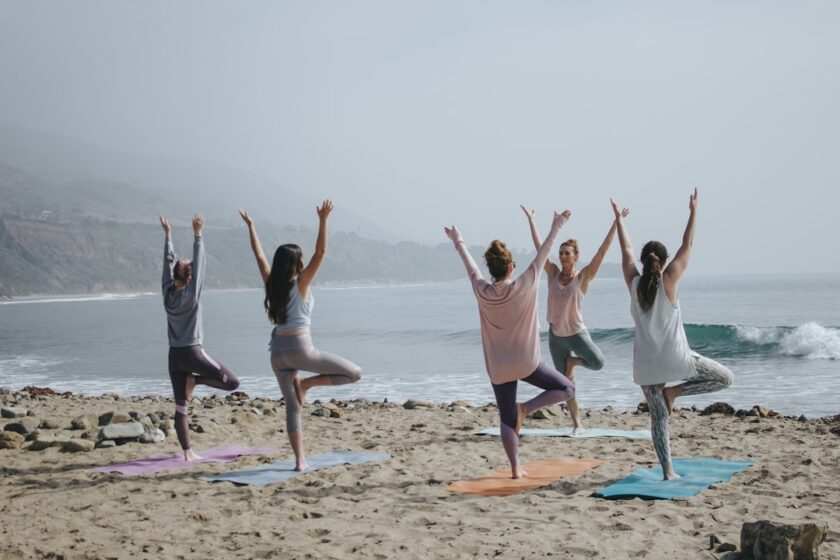
- Yoga: Combine physical movement with mindfulness for added benefits.
- Outdoor Activities: Spend time in nature, which can also boost mood.
5. Building Social Connections
Maintaining strong social connections can help combat feelings of loneliness and isolation. Consider these tips:
- Reach Out: Make an effort to connect with friends and family, even if it’s just a phone call or text.
- Join Groups: Consider joining exercise classes or hobby groups to meet like-minded individuals.
- Volunteer: Helping others can create a sense of community and improve your mood.
6. Progressive Muscle Relaxation
This technique involves tensing and then relaxing different muscle groups. It can help you identify physical sensations of stress and relax your body. Follow these steps:
- Find a quiet place and sit or lie down comfortably.
- Start with your toes, tense the muscles for about five seconds, then relax them.
- Move up through your body, repeating the process with each muscle group.
Final Thoughts
Practicing mental health exercises regularly can create lasting benefits for your emotional well-being. Start slow, find what works for you, and enjoy the journey to a healthier mind. For more tips and resources, visit our about page or check our fitness category.