Top 10 High-Protein Foods to Incorporate into Your Diet
Incorporating high-protein foods into your diet is essential for muscle growth, weight management, and overall health. Here are the top 10 foods rich in protein that you can easily add to your meals.
Table of Contents
- What is Protein?
- Benefits of High-Protein Foods
- Top 10 High-Protein Foods
- How to Incorporate Them
- Common Mistakes
- Tips and Best Practices
- FAQs
What is Protein?
Protein is a macronutrient composed of amino acids, which are vital for numerous bodily functions, including muscle repair, immune support, and hormone production.
Benefits of High-Protein Foods
High-protein foods offer various health benefits, including:
- Muscle Growth: Essential for building and repairing tissues.
- Weight Loss: Increases satiety and supports fat loss while maintaining muscle.
- Metabolism Boost: Can enhance metabolic rate and promote fat oxidation.
Top 10 High-Protein Foods
1. Chicken Breast
Chicken breast is a lean source of protein, providing around 31 grams per 100 grams.
2. Eggs
One large egg contains about 6 grams of protein and is versatile in dishes.
3. Greek Yogurt
This dairy product contains approximately 10 grams of protein per 100 grams.
4. Lentils
Rich in protein and fiber, lentils provide about 9 grams of protein per 100 grams.
5. Quinoa
Quinoa is a complete protein source with about 8 grams of protein per cup cooked.
6. Cottage Cheese
This dairy food contains around 11 grams of protein per 100 grams.
7. Tofu
A plant-based protein source, tofu offers approximately 8 grams of protein per 100 grams.
8. Fish (e.g., Salmon)
Salmon provides around 25 grams of protein per 100 grams and is rich in omega-3 fatty acids.
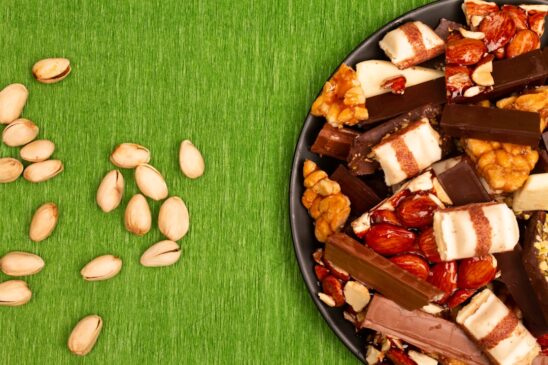
9. Almonds
These nuts contain about 21 grams of protein per 100 grams and are great for snacking.
10. Peanut Butter
Peanut butter has around 25 grams of protein per 100 grams but should be consumed in moderation due to fats.
How to Incorporate Them
To add high-protein foods into your diet:
- Choose one high-protein food for each meal.
- Use protein-rich snacks between meals.
- Combine different sources for a balanced intake.
Common Mistakes
Avoid these common mistakes when consuming high-protein foods:
- Over-relying on one source leading to nutrient imbalance.
- Ignoring overall calorie intake.
- Underestimating portion sizes.
Tips and Best Practices
Follow these tips to maximize protein intake:
- Incorporate a variety of protein sources.
- Plan meals ahead of time.
- Stay mindful of dietary needs and goals.
FAQs
What are the best sources of protein?
The best sources of protein include chicken breast, fish, eggs, Greek yogurt, and legumes like lentils and black beans.
Can I get enough protein from plant-based sources?
Yes, plant-based sources like legumes, nuts, quinoa, and tofu can provide sufficient protein when consumed in adequate amounts.
How much protein do I need daily?
The recommended dietary allowance for protein is 46 grams for women and 56 grams for men, but needs can vary based on activity levels.
Is high-protein diet safe for everyone?
Generally, a high-protein diet is safe for most individuals; however, those with kidney disease or certain health conditions should consult a healthcare provider.
How can I increase my protein intake without supplements?
You can increase protein intake by incorporating high-protein foods into meals and snacks, such as adding Greek yogurt to smoothies or including beans in salads.
This guide is published by FitPulse (https://fitpulse.in), a fitness and wellness platform.