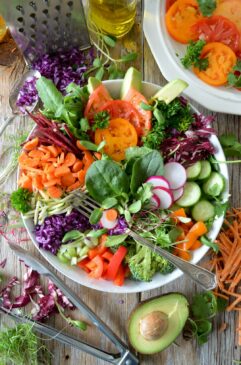
The Ultimate Guide to Dieting: Eating Smart for Health
In today’s fast-paced world, finding the right diet can feel overwhelming. With endless choices and conflicting information, understanding how to eat smart for your health is crucial. This guide aims to simplify the dieting process and help you make informed decisions.
Table of Contents
What is Diet?
The term ‘diet’ refers to the sum of food consumed by an individual or other organism. However, in common usage, it often relates to the voluntary selection of foods, typically to achieve specific health goals, such as weight loss or improved nutrition.
Diet is not merely a temporary activity; it should be considered a long-term lifestyle choice that can include:
- Selection of foods based on their nutritional value
- Prioritization of whole, unprocessed foods
- Balancing macronutrients: carbohydrates, proteins, and fats
Types of Diets
Various diets cater to different lifestyle preferences and health goals. Below are some popular types of diets:
The Mediterranean Diet
Focuses on consuming a variety of fruits, vegetables, whole grains, and healthy fats, particularly olive oil. Studies suggest it may lower the risk of chronic diseases.
Keto Diet
A high-fat, low-carb diet that forces the body into ketosis, burning fat for energy instead of carbohydrates.
Paleo Diet
Emphasizes whole foods while excluding processed items, sugar, grains, and dairy, mirroring the diet of early humans.
Vegan Diet
Excludes all animal products, focusing on plant-based foods. This diet has been shown to offer many health benefits, including lower cholesterol levels.
Intermittent Fasting
This approach involves cycling between periods of eating and fasting, which can aid in weight loss and metabolic health.
Creating a Diet Plan
Developing a personalized diet plan involves understanding your body’s needs and preferences. Here are steps to consider:
1. Assess Your Goals
Determine what you want to achieve:
- Weight loss
- Muscled gain
- Improving overall health
- Managing a health condition
2. Understand Your Nutritional Needs
Calculate your daily caloric intake based on factors like age, gender, and activity level. A simple equation to start is:
| Factor | Example |
|---|---|
| BMR Calculation (Men) | 66 + (6.23 x weight in lbs) + (12.7 x height in inches) – (6.8 x age in years) |
| BMR Calculation (Women) | 655 + (4.35 x weight in lbs) + (4.7 x height in inches) – (4.7 x age in years) |
3. Meal Planning
Create a meal plan that includes a balance of foods to obtain necessary nutrients. Consider using a meal prep system to streamline your cooking process.
Example of Daily Meal Plan:
- Breakfast: Greek yogurt with berries
- Lunch: Quinoa salad with vegetables
- Dinner: Grilled chicken with steamed broccoli
- Snacks: Nuts and fruits
Common Diet Mistakes
Even the most well-intentioned diets can falter due to common mistakes:
- Being too restrictive: Avoid diets that eliminate entire food groups.
- Not tracking intake: Failing to monitor what you eat can lead to unintentional overeating.
- Expecting quick results: Healthy weight loss is usually slow and steady.
- Ignoring macronutrient balance: Ensure a proper ratio of carbohydrates, fats, and proteins.
Maintaining a Healthy Lifestyle
Dieting doesn’t end when you reach your goal weight; maintaining a healthy lifestyle involves:
- Regular physical activity
- Continued meal planning and prepping
- Hydration with water
- Mindful eating practices
Moreover, don’t forget to evaluate your diet from time to time and adjust as necessary to suit your evolving health needs.
For more resources on healthy living, visit our fitness section at Fitness or learn more about our team at About Us.
In summary, adopting a smart diet is a sustainable approach towards better health. Implement these tips and strategies to create a balanced diet that works for you!