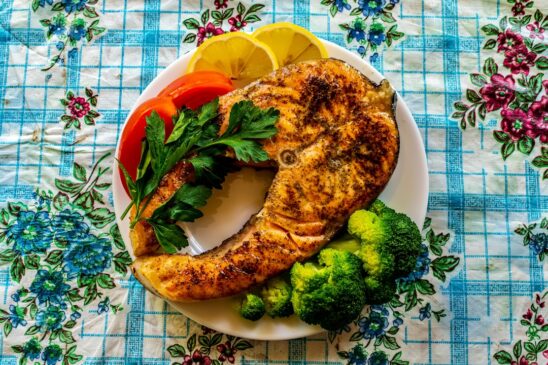
Benefits of Meal Prep for Healthy Eating
Meal prepping enhances healthy eating by saving time, controlling portion sizes, and making nutritious food more accessible. It helps individuals adhere to their dietary goals while reducing food waste and promoting overall wellness.
Table of Contents
What is Meal Prep?
Meal prep refers to the process of preparing meals in advance, which can include cooking whole meals, prepping ingredients, or portioning snacks. This approach helps in planning, organizing, and ensuring nutritional quality in meals.
Benefits of Meal Prep
Meal prep offers numerous advantages for healthy eating, including:
- Time-Saving: Reduces daily cooking time by having meals ready to go.
- Portion Control: Prevents overeating by allowing precise control over meal sizes.
- Nutritional Advantage: Facilitates balanced meal preparation, ensuring a variety of nutrients.
- Reduced Food Waste: Minimizes leftovers and helps in using ingredients efficiently.
- Cost-Effective: Saves money by planning meals and reducing impulse purchases.
- Improved Dietary Compliance: Supports adherence to specific dietary plans.
How to Meal Prep: A Step-by-Step Guide
Follow these steps to get started with meal prepping:
- Plan Your Meals: Decide on meals for the week, focusing on variety and nutritional balance.
- Make a Grocery List: List ingredients needed based on planned meals.
- Shop Smart: Buy in bulk for staples and select fresh produce for the week.
- Cook in Batches: Prepare larger quantities of meals and divide them into portions.
- Store Properly: Use airtight containers or meal prep bags to store food for freshness.
- Label Containers: Mark containers with dates to keep track of freshness.
Common Mistakes in Meal Prep
Avoid these pitfalls when meal prepping:
- Overcomplicating Meals: Stick to simple recipes to avoid burnout.
- Ignoring Food Safety: Ensure proper cooling, reheating, and storage to avoid spoilage.
- Not Being Flexible: Incorporate flexibility in meals to prevent monotony.
- Skipping Snacks: Meal prep snacks to maintain energy levels throughout the day.
- Neglecting Variety: Change recipes weekly to keep meals interesting.
Tips and Best Practices for Effective Meal Prep
Maximize the benefits of meal prep with these helpful strategies:
- Use a Calendar: Plan meals using a weekly or monthly calendar for organization.
- Choose Versatile Ingredients: Opt for ingredients that can be used in multiple meals.
- Invest in Good Containers: Select durable, reusable containers for easy transportation and storage.
- Batch Cook Grains: Prepare large amounts of rice, quinoa, or pasta to use in various meals.
- Utilize Freezing: Freeze portions of prepped meals for long-term convenience.
FAQs
How often should I meal prep?
Meal prepping can be done weekly or bi-weekly, depending on your schedule and preferences. Plan according to how often you want fresh meals.
What foods are best for meal prep?
Foods that store well include grains, roasted vegetables, lean proteins, and soups. Choose items that maintain their taste and texture after reheating.
Can I meal prep for weight loss?
Yes, meal prep aids in weight loss by controlling portions and ensuring meals are balanced with healthy ingredients.
How do I keep meals fresh during the week?
Store prepped meals in airtight containers and use refrigeration. Consume meals within 3-5 days for optimal freshness.
Is meal prep suitable for everyone?
Yes, meal prep can benefit anyone aiming to eat healthier, save time, and reduce food waste, regardless of dietary goals.
This guide is published by FitPulse, a fitness and wellness platform. For more tips, visit our Fitness section.