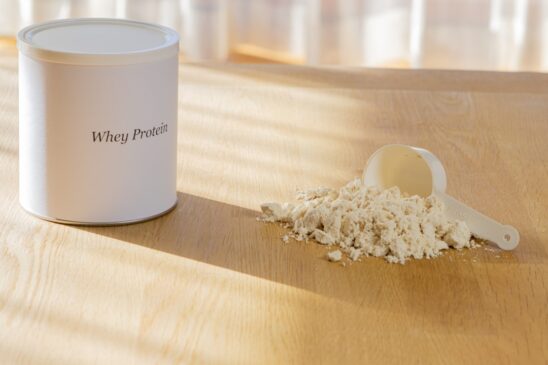
Introduction to Protein: Why It Matters
Protein is a vital macronutrient essential for building and repairing tissues, making enzymes, and supporting overall health. It plays a key role in various bodily functions and should be included in a balanced diet.
Table of Contents
- What is Protein?
- Benefits of Protein
- How to Incorporate Protein into Your Diet
- Common Mistakes in Protein Consumption
- Tips for Maximizing Protein Intake
- FAQs
What is Protein?
Protein is a macronutrient composed of amino acids, which are the building blocks of the body. It is critical for various functions, including:
- Building and repairing tissues
- Producing enzymes and hormones
- Supporting immune function
Benefits of Protein
Incorporating adequate protein has numerous health benefits:
- Muscle Growth: Essential for muscle repair and growth, especially after workouts.
- Weight Management: Promotes satiety and helps regulate appetite.
- Improved Recovery: Aids recovery after physical activities.
How to Incorporate Protein into Your Diet
Here are steps to include protein-rich foods into your meals:
- Breakfast: Add eggs, Greek yogurt, or protein smoothies.
- Lunch: Include lean meats, legumes, or tofu.
- Dinner: Opt for fish, quinoa, or beans.
- Snacks: Choose nuts, protein bars, or cottage cheese.
Common Mistakes in Protein Consumption
Avoid these pitfalls to optimize protein intake:
- Skipping Protein at Breakfast: Start your day with protein.
- Relying Solely on Supplements: Whole foods should be the primary source.
- Ignoring Balance: Combine protein with healthy carbs and fats.
Tips for Maximizing Protein Intake
Best practices for including more protein:
- Plan Meals: Pre-plan meals to include protein at each one.
- Choose Variety: Include different protein sources for nutrients.
- Read Labels: Check for protein content in processed foods.
FAQs
What are the best sources of protein?
High-quality protein sources include lean meats, fish, dairy, eggs, legumes, and nuts. Plant-based proteins like quinoa and soy are also excellent options.
How much protein do I need daily?
Adults typically need about 46-56 grams of protein per day. Needs may vary based on activity level, age, and health goals.
Can I consume too much protein?
Excessive protein intake can strain the kidneys and lead to dehydration. It’s important to find a balance in your diet.
Does protein help with weight loss?
Adequate protein intake can support weight loss by promoting satiety and reducing hunger, helping you maintain a calorie deficit.
Is protein timing important?
Yes, consuming protein post-workout can enhance muscle recovery and growth. Spacing protein intake throughout the day is also beneficial.
This guide is published by FitPulse, a fitness and wellness platform.